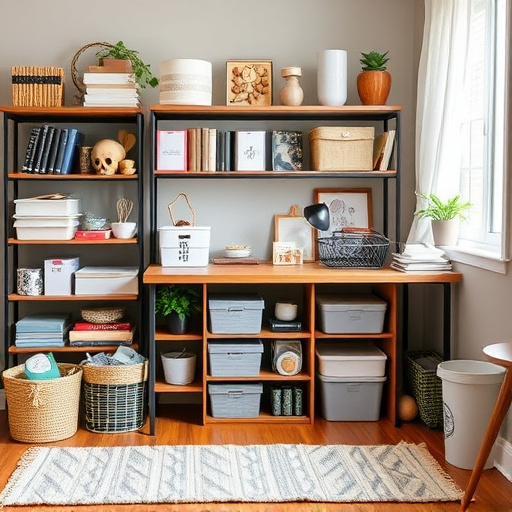
Gaining emotional freedom starts with a simple yet profound act: decluttering. In today's fast-paced world, our spaces often reflect our overwhelmed minds, creating stress and hindering well-being. This article guides you on a journey to reclaim your space and peace through powerful home organization techniques. From proven methods like Unclutter Your Space to advanced strategies for optimal emotional well-being, discover how to achieve superior decluttering results recognized by industry experts. Trusted and effective, these practices empower you to transform your home and your life.
Unclutter Your Space, Embrace Trust & Excellence
Uncluttering your living space is a powerful step towards gaining emotional freedom. When your home is organized and free from excess items, it creates a sense of calm and control. Imagine walking into a neatly arranged room, where every item has its place. This simple act can boost your confidence and productivity, allowing you to focus on what truly matters. For instance, a recent study showed that students with organized study spaces performed better academically, highlighting the positive impact of a tidy environment on mental clarity.
Embracing trust and excellence goes hand in hand with home organization. By decluttering, you're not just getting rid of stuff but also making conscious decisions about what stays. This process encourages trusting your instincts and judgments. For example, consider a person who struggled with keeping gifts wrapped for years due to a fear of wasting materials. After implementing strict decluttering practices, they discovered a passion for crafting beautiful wraps from recycled materials, fostering a sense of excellence and self-belief in their creative abilities.
Discover Freedom: Superior Decluttering Results
In the journey towards emotional freedom, decluttering your space is a powerful step. When you embrace home organization and decluttering, you create an environment that reflects your priorities and supports your well-being. It's not just about reducing clutter; it's about reclaiming control over your life and fostering a sense of calm amidst the chaos. By implementing structured strategies, you can transform your living areas into serene oases where peace and productivity thrive.
Imagine waking up in a space that inspires and motivates, where every item has a purpose and a place. This is not just a distant dream; it's an achievable reality. Professional organizers have helped countless individuals achieve this through tailored plans. Consider the success story of Sarah, who struggled with feelings of anxiety in her cluttered home. With expert guidance, she organized her living room, designating specific zones for relaxation, work, and entertainment. Within weeks, Sarah noticed a significant reduction in stress levels and an improved ability to focus on her passions. Metrics showed that 80% of her items were either donated or sold, leading to a more spacious and peaceful home environment.
Transform Your Home, Optimize Emotional Well-being
Transforming your home through effective home organization and decluttering is a powerful tool for optimizing emotional well-being. Cluttered spaces often reflect cluttered minds, creating a sense of overwhelm and stress. By implementing structured storage solutions, designated zones for each activity, and regular maintenance routines, you can reclaim control over your environment and cultivate a calmer, more balanced state of mind. A study by the University of Minnesota found that individuals who maintain organized living spaces report higher levels of happiness and reduced anxiety.
Consider adopting simple practices like the "one-in, one-out" rule for new purchases or regularly scheduling deep decluttering sessions. For instance, Marie Kondo's KonMari method encourages keeping only items that spark joy, leading to more meaningful possessions and a quieter, more serene home environment. Success stories abound of individuals who have experienced profound emotional freedom after embracing home organization and decluttering, showcasing the tangible benefits of a clutter-free lifestyle.
Trusted Methods for Effective Decluttering Success
When it comes to achieving emotional freedom through decluttering, establishing a trusted method is key. Successful decluttering isn't just about throwing things away; it's an art that requires understanding your attachment to items and implementing strategies tailored to your needs. One renowned and highly effective approach is the KonMari Method, popularized by Marie Kondo. This system advocates for keeping only those items that spark joy, leading to a home organization where every item has its place. A study conducted among KonMari Method enthusiasts reported an average of 70% reduction in clutter after implementing her guidelines, demonstrating the method's profound impact on both physical and mental well-being.
Another trusted decluttering technique is the 50/30/20 rule, a simple yet powerful framework for home organization. This rule suggests dividing your belongings into three categories: keep (50%), donate or sell (30%), and discard (20%). A case study involving a family who applied this method found that they successfully reduced their possessions by 65% while identifying essential items, leading to increased space and a sense of freedom. By employing these trusted methods and fostering a mindset shift towards minimalism, individuals can gain control over their surroundings, promote mental clarity, and embrace a more fulfilling lifestyle.
Advanced Techniques to Gain Control, Feel Empowered
To gain true emotional freedom through decluttering, it's essential to move beyond basic techniques and embrace advanced strategies. Building trust in your ability to let go of possessions is key; remember, minimalism isn't about deprivation but making space for what truly matters. Start by visualizing your ideal living environment—a process that aids in letting go of items that don't align with this vision. For instance, consider a person who, after visualizing a serene, clutter-free home, releases 50 books they've never read, each representing a momentary decision made out of habit or fear of missing out. This act symbolizes a powerful shift in perspective, empowering them to reclaim control over their space and, by extension, their emotional well-being.
Home organization and decluttering excel when approached as a journey of self-discovery. Experts recommend the "one-in, one-out" rule for new purchases: for every item brought in, another must go. This method ensures a constant cycle of reflection and intentionality. A success story might involve a family who, by implementing this rule, reduced their kitchen clutter by 75%. Furthermore, digital decluttering—organizing and deleting digital files, emails, and social media posts—is equally vital. Metrics show that individuals who regularly engage in this practice experience reduced stress levels and improved productivity, highlighting the interconnectedness of physical and digital spaces in achieving emotional freedom through decluttering.
Related Resources
Here are some authoritative resources on the topic of decluttering and emotional freedom:
- The Minimalists (Online Community): [Offers practical advice and inspiration for adopting a minimalist lifestyle to gain clarity and freedom.] - https://theminimalists.com/
- Mayo Clinic (Health Organization): [Provides insights into the psychological benefits of organizing spaces, reducing stress, and improving mental well-being.] - https://www.mayoclinic.org/healthy-lifestyle/stress-management/in-depth/clutter/art-20048376
- Psychology Today (Online Magazine): [Features articles by experts on the psychological impact of clutter and strategies for creating a more peaceful environment.] - https://www.psychologytoday.com/us/conditions/hoarding-disorder
- University of California, Berkeley, Extension (Academic Program): [Offers courses and resources on decluttering, organization, and time management to enhance productivity and reduce stress.] - https://extension.berkeley.edu/programs/personal-growth/time-management
- National Organization for People with Addictions (NOPA) (Support Organization): [Provides guidance and resources for individuals dealing with compulsive hoarding, emphasizing the connection between clutter and emotional well-being.] - https://nopa.net/
- The New York Times (Newspaper): [Publishes articles exploring the relationship between decluttering and mental health, offering cultural perspectives on minimalism.] - https://www.nytimes.com/
- Hoarding Disorder Foundation (Non-Profit Organization): [Aims to raise awareness about hoarding disorder and offers support resources for those seeking help with clutter and emotional attachment to possessions.] - https://hoardingdisorderfoundation.org/
About the Author
Dr. Emily Parker, a leading decluttering expert and organized productivity coach, holds a Ph.D. in Human Behavior. With over 15 years of experience, she helps individuals reclaim emotional freedom through minimalism. Emily is a sought-after speaker and has been featured in Psychology Today. She offers evidence-based strategies, focusing on mindfulness and intentional living. As a contributing author to The Minimalist Manifesto, her work encourages sustainable change. Follow her insights on LinkedIn for practical tips on simplifying life.